



Description
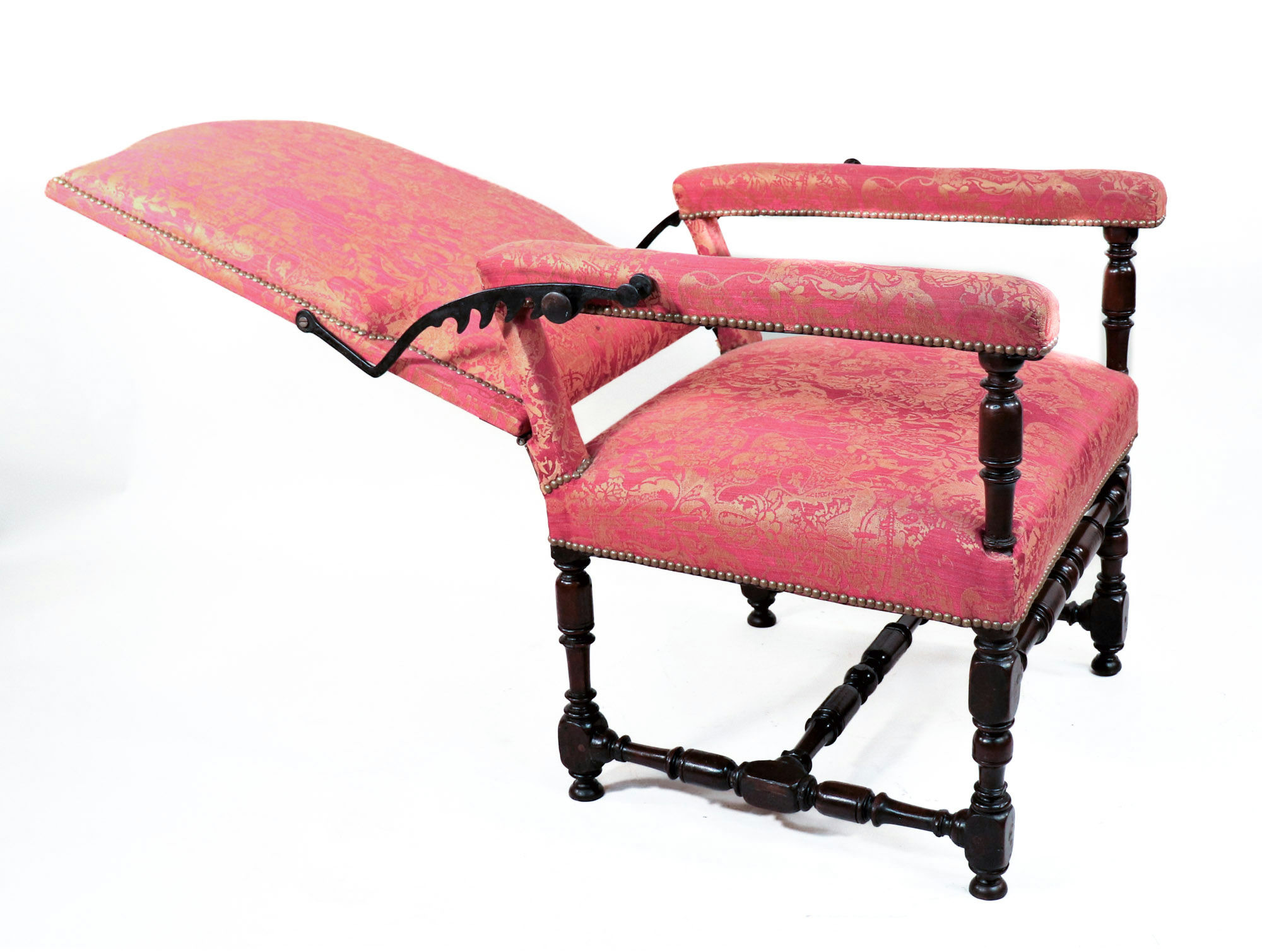
Invented Circa 1850, the precursor to the modern recliner was initially designed for its versatility: early models could serve as a chair, a bed, and a chaise lounge. This innovation quickly gained popularity for combining comfort with luxury. Napoleon III, the nephew of Napoleon Bonaparte and Emperor of the French, reportedly owned one of the first recliners.
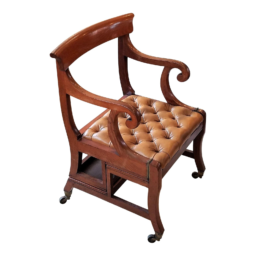
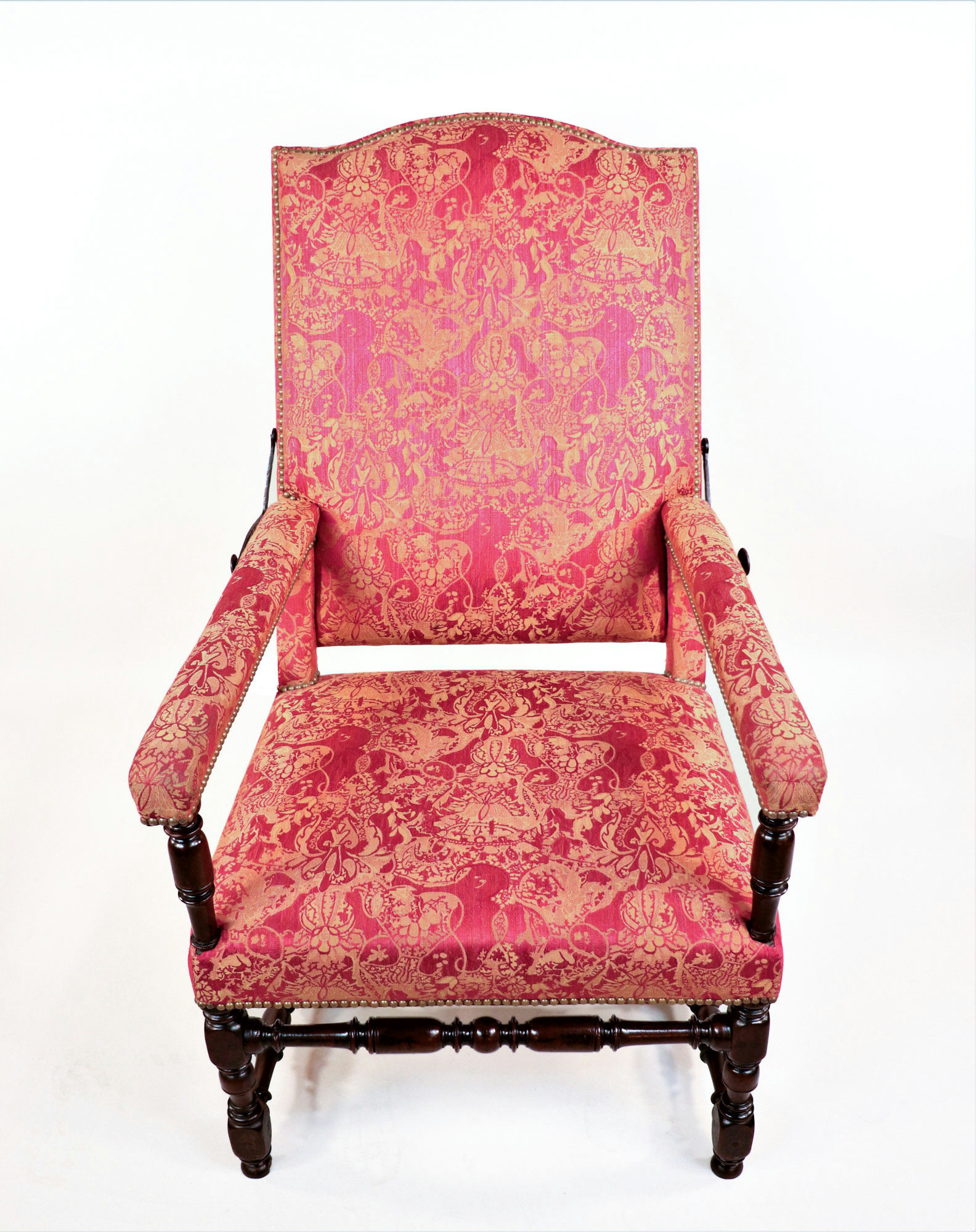
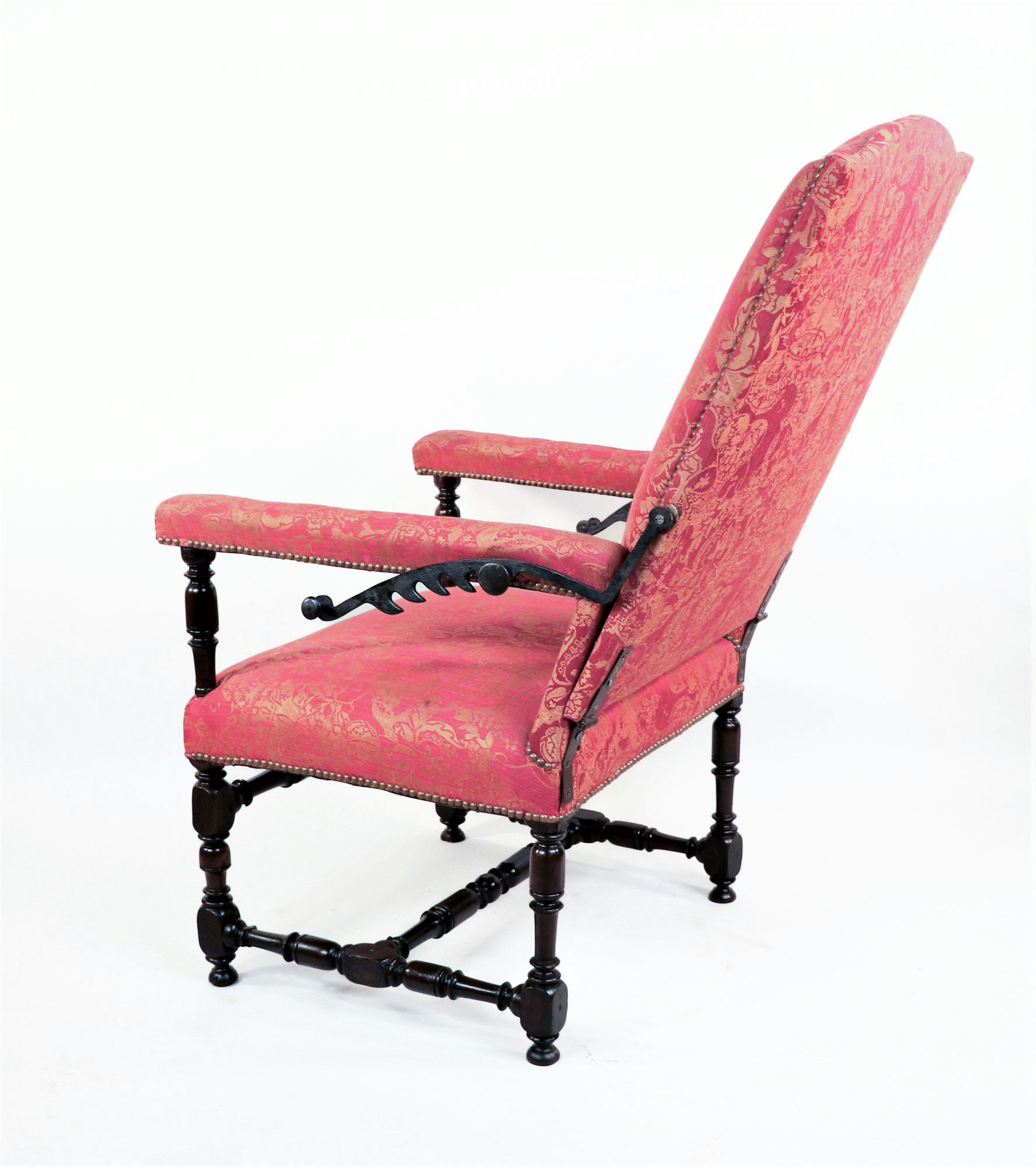
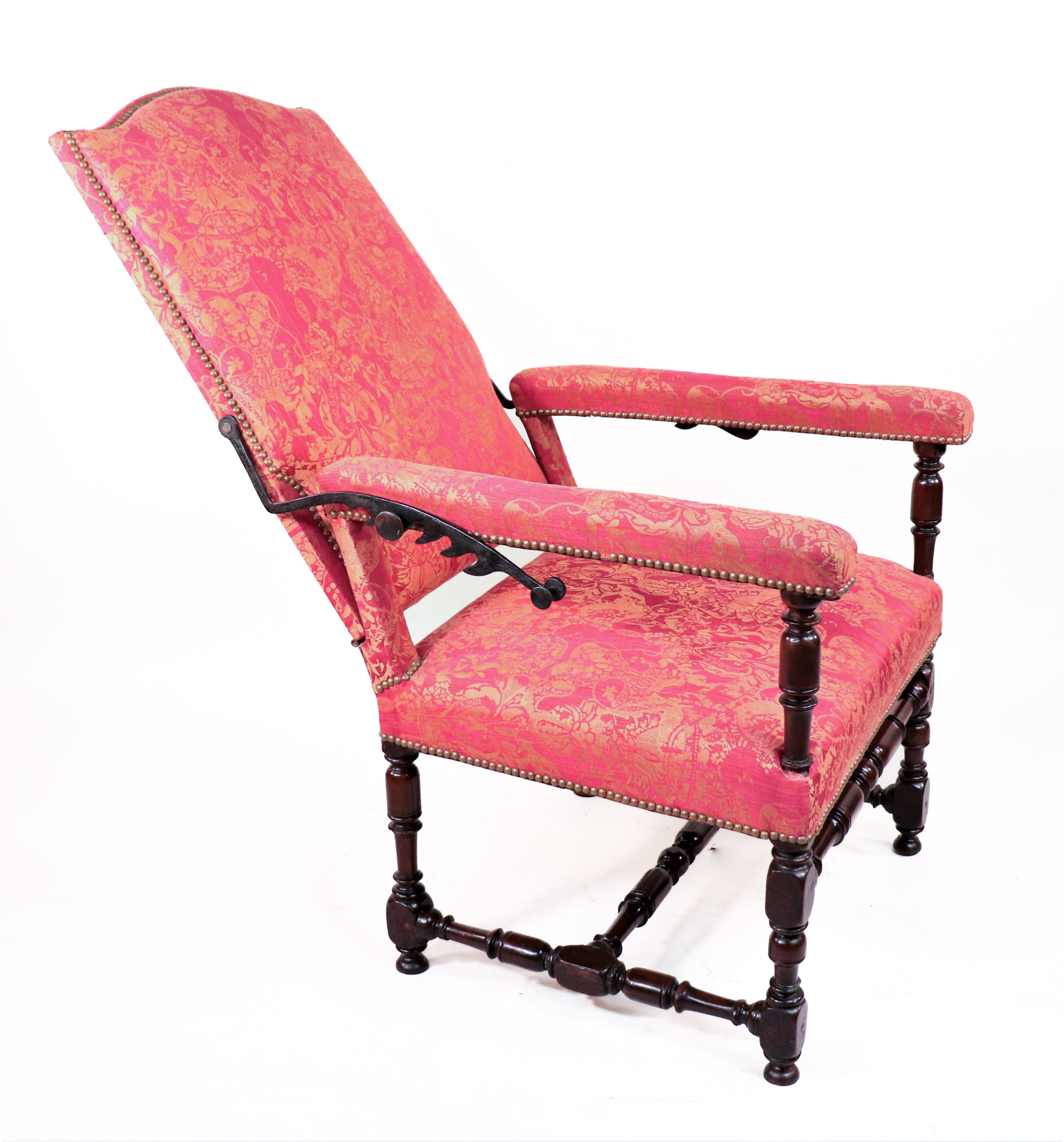
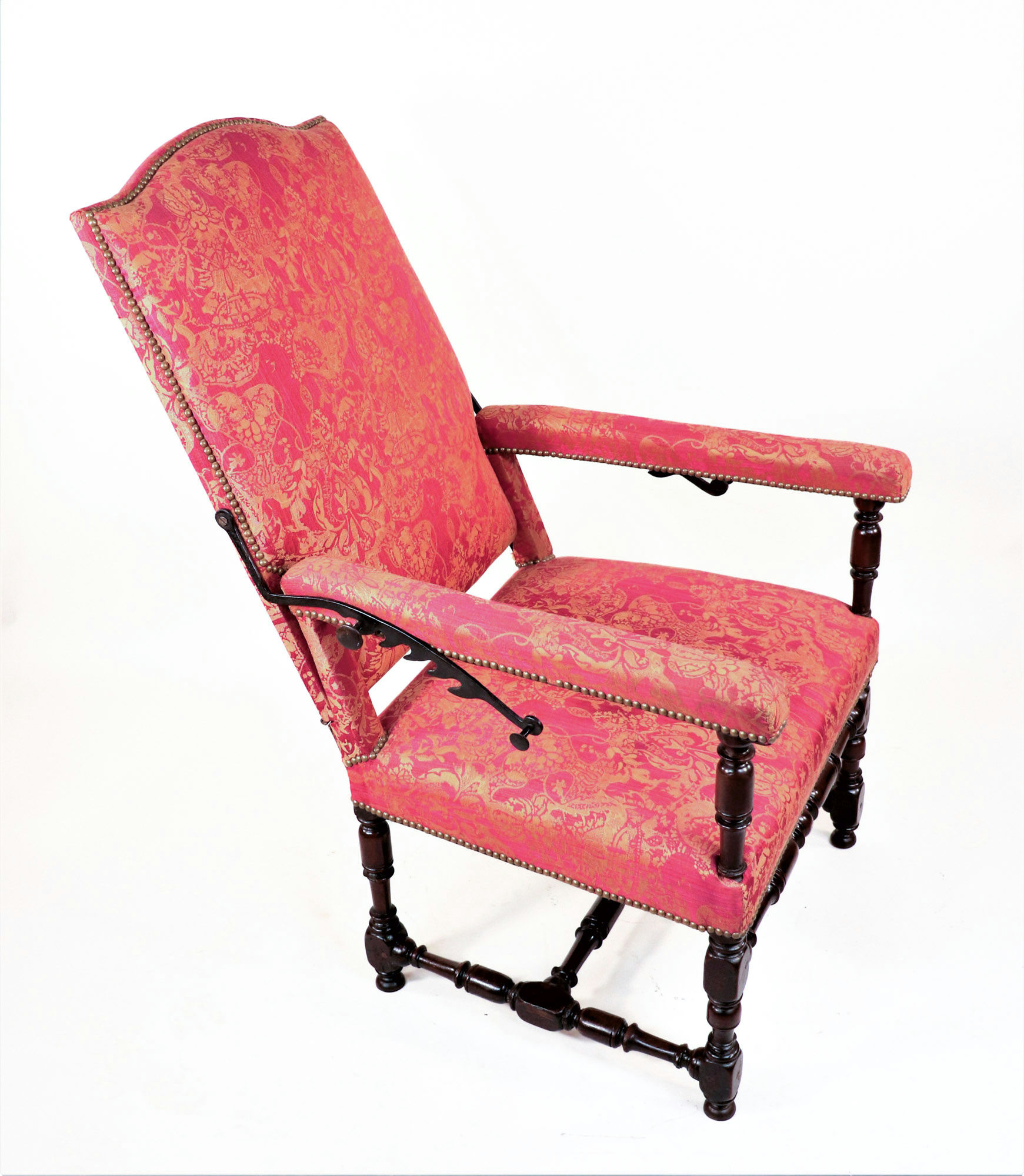
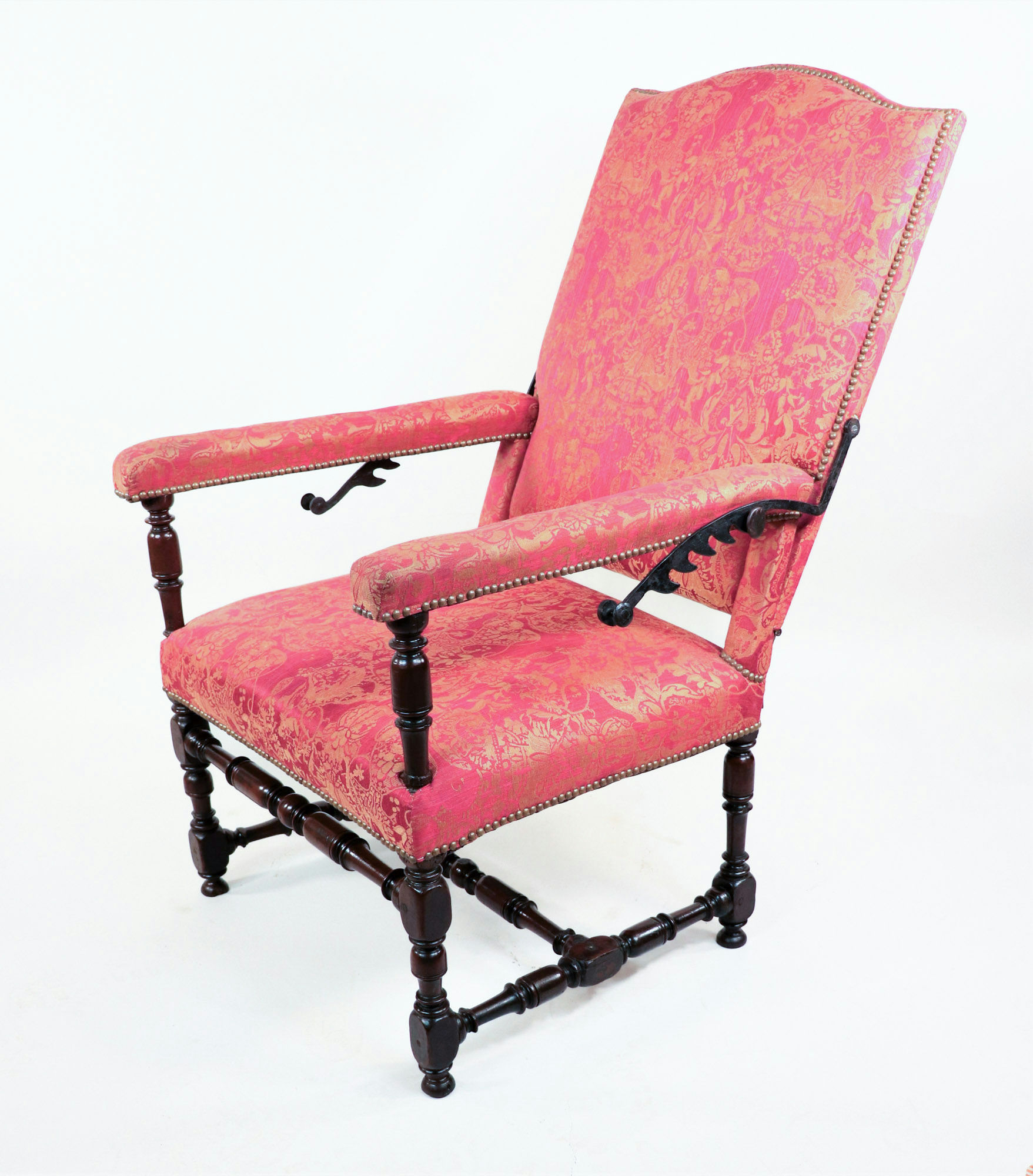
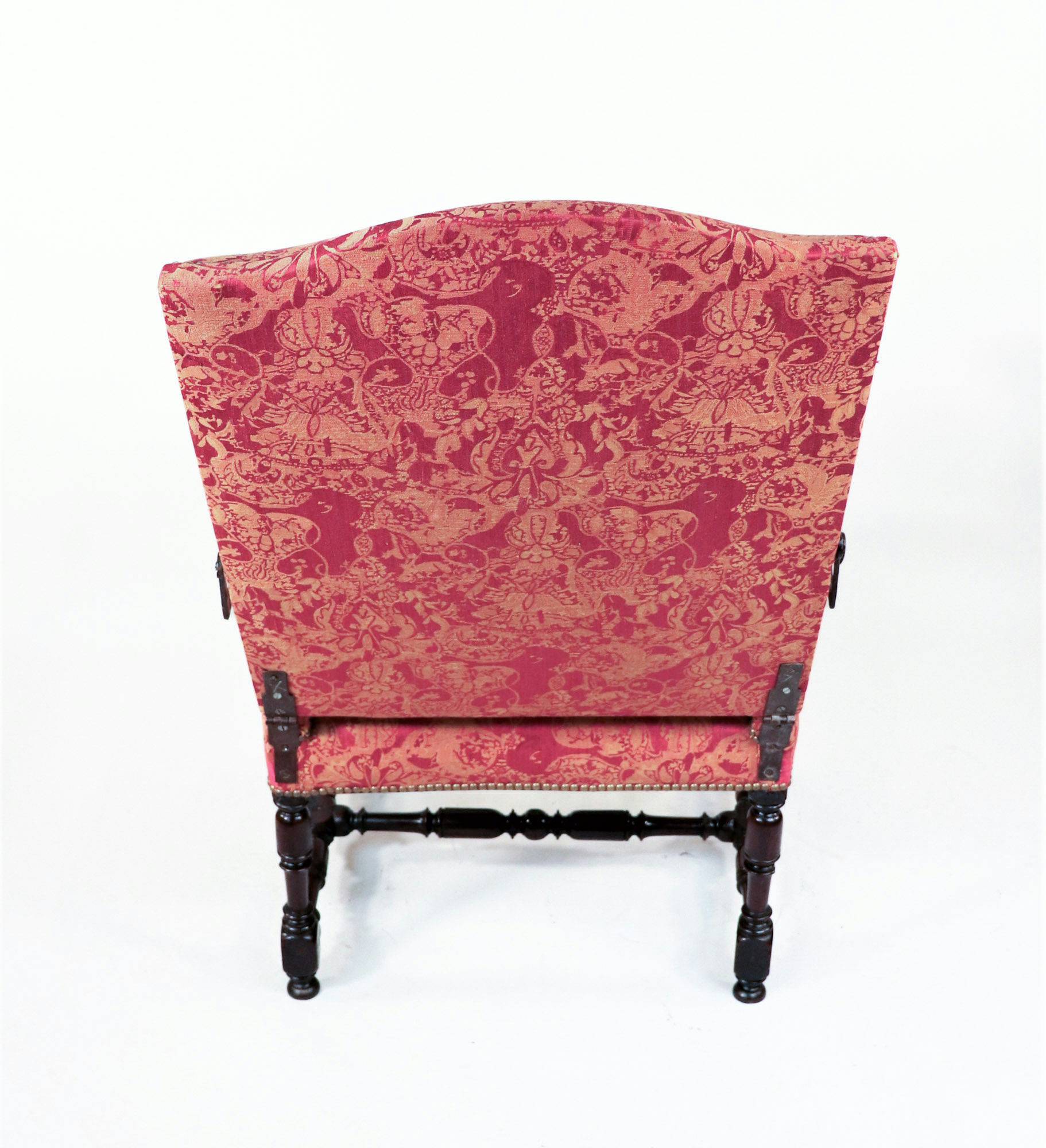
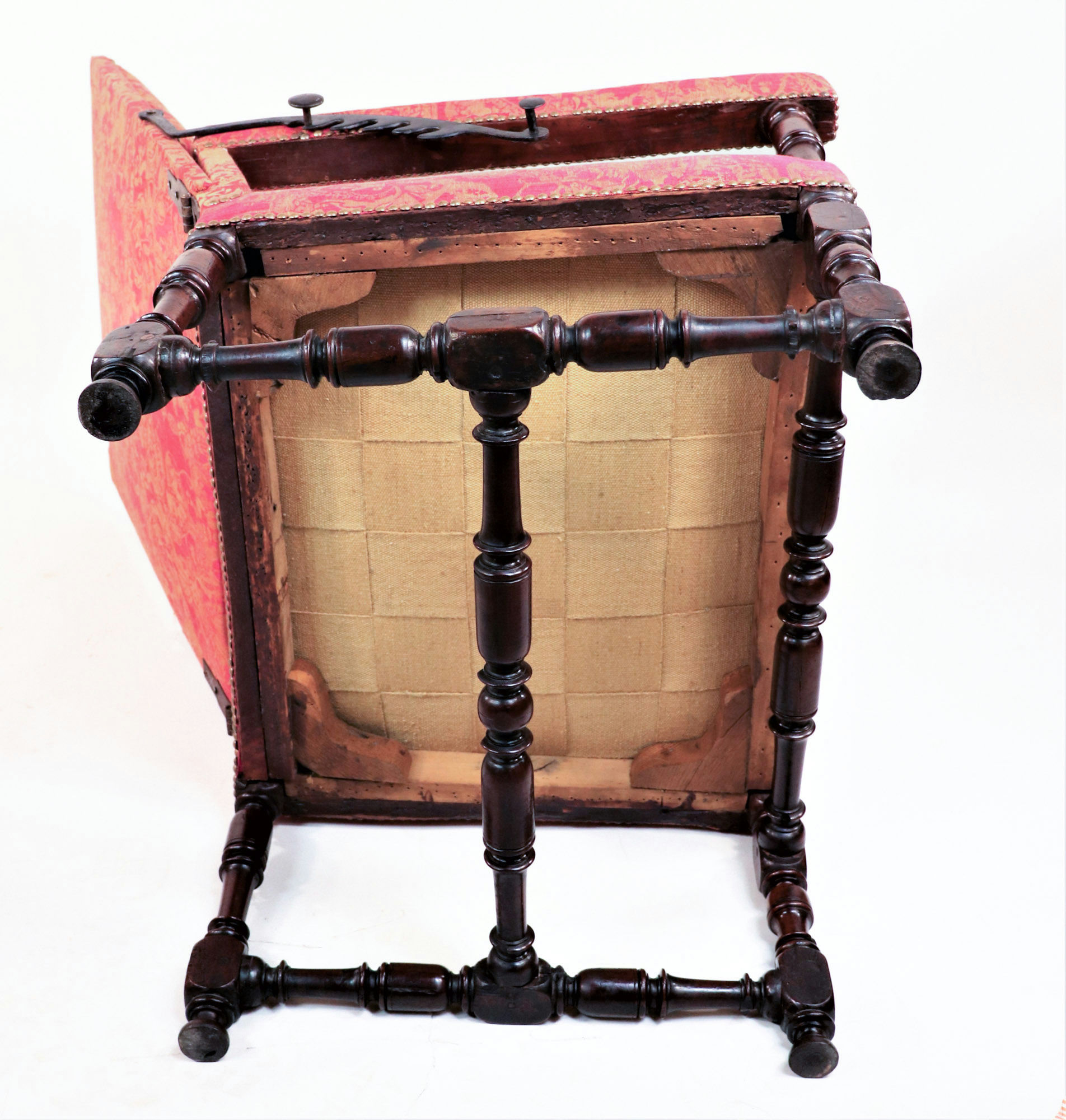
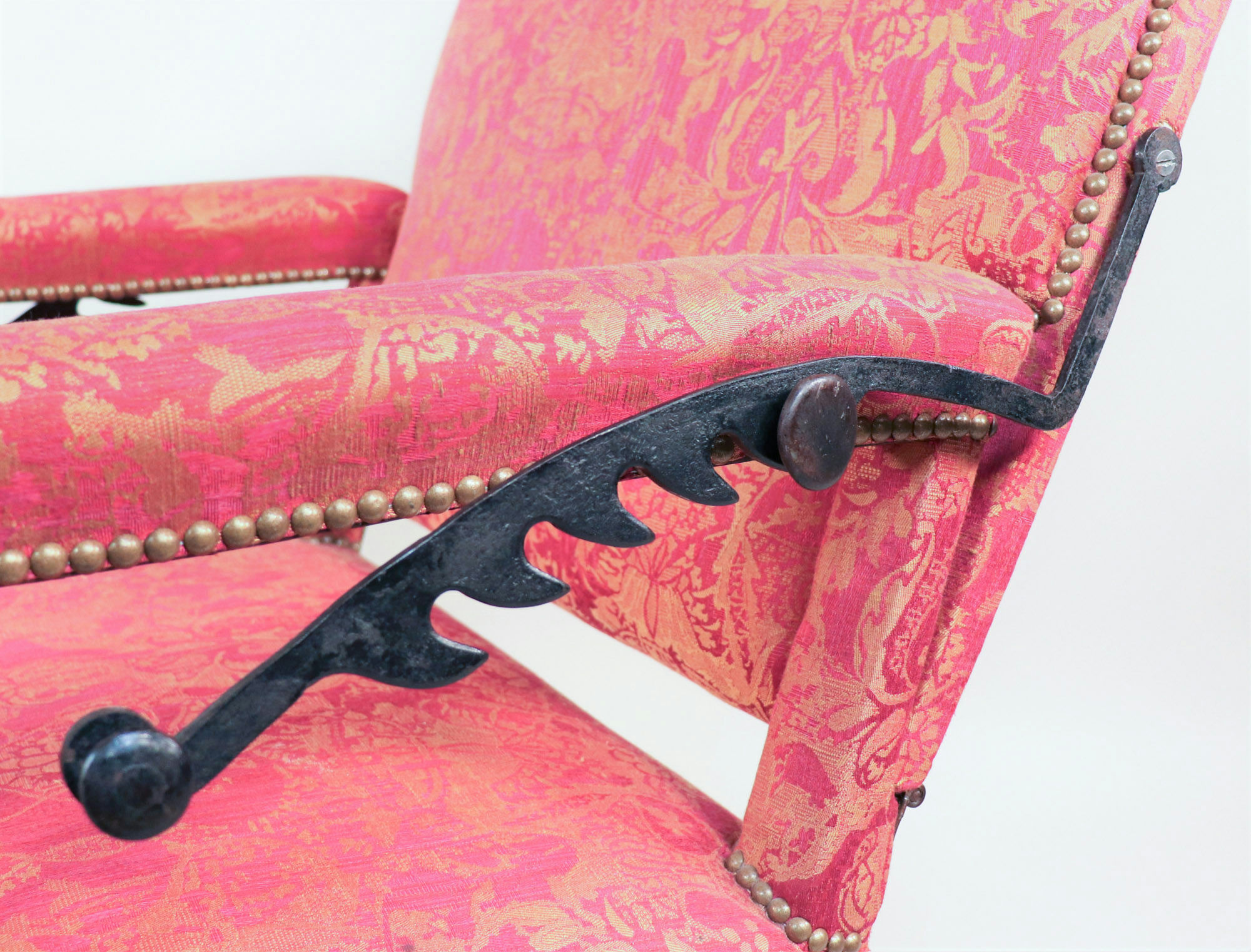
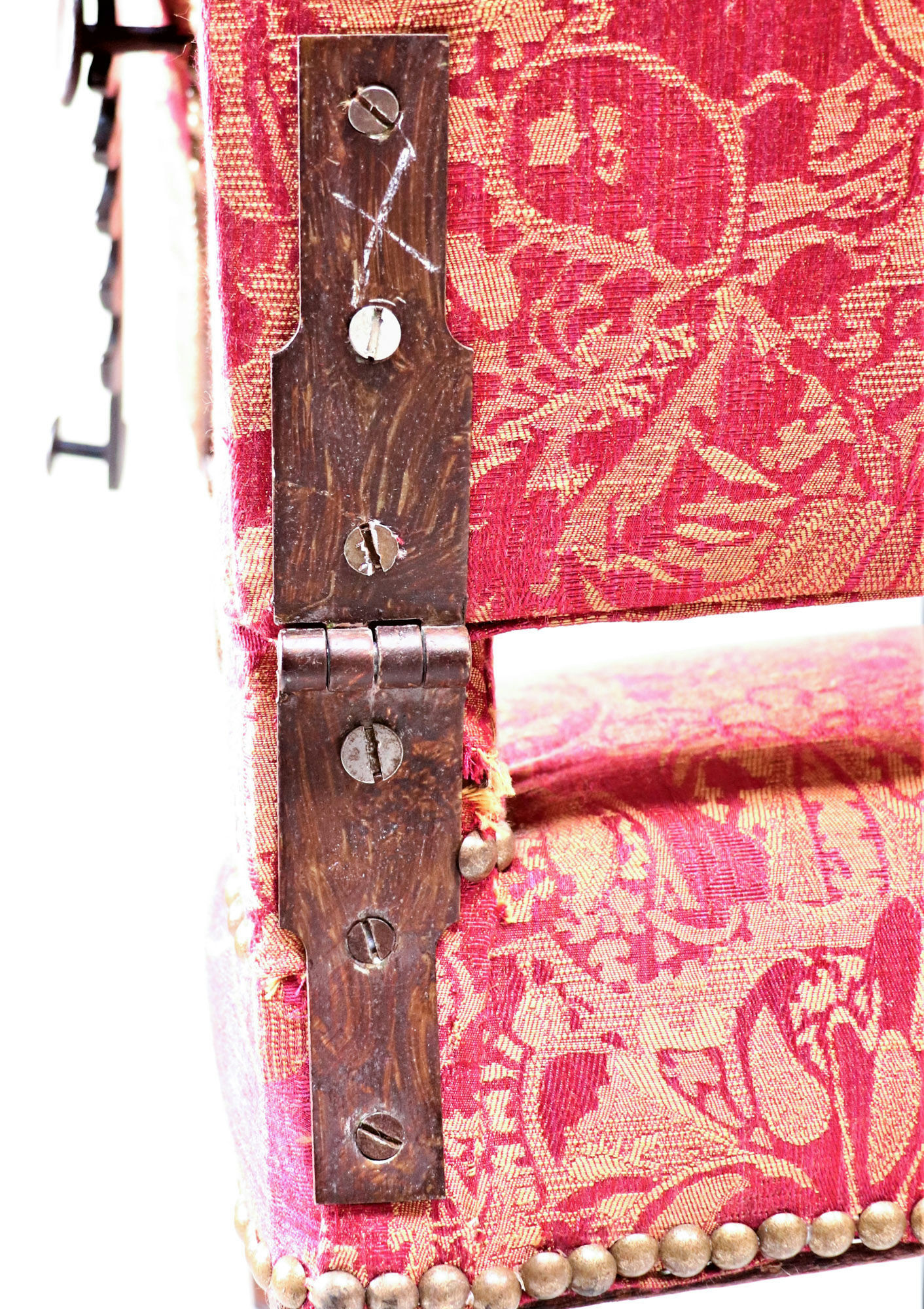
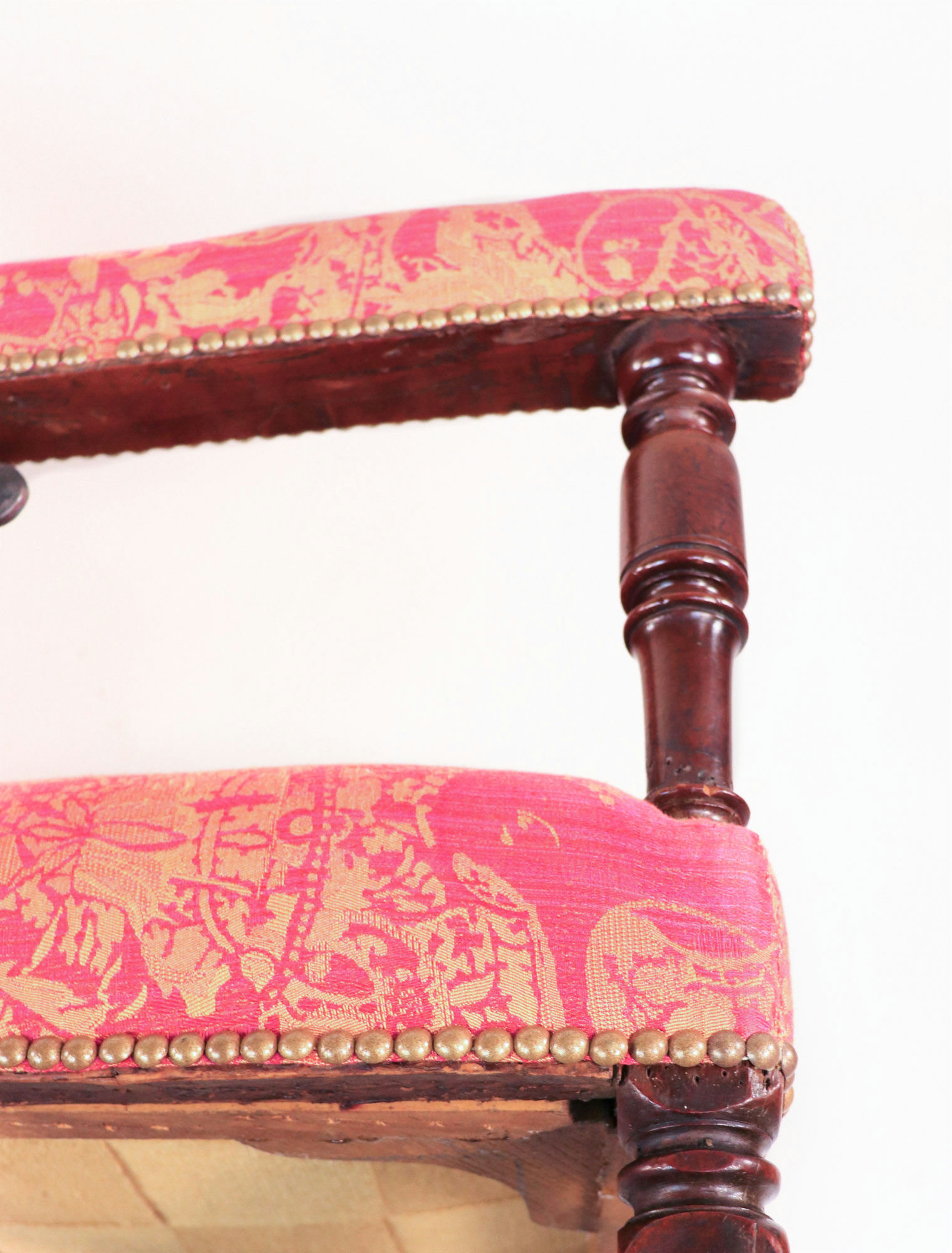
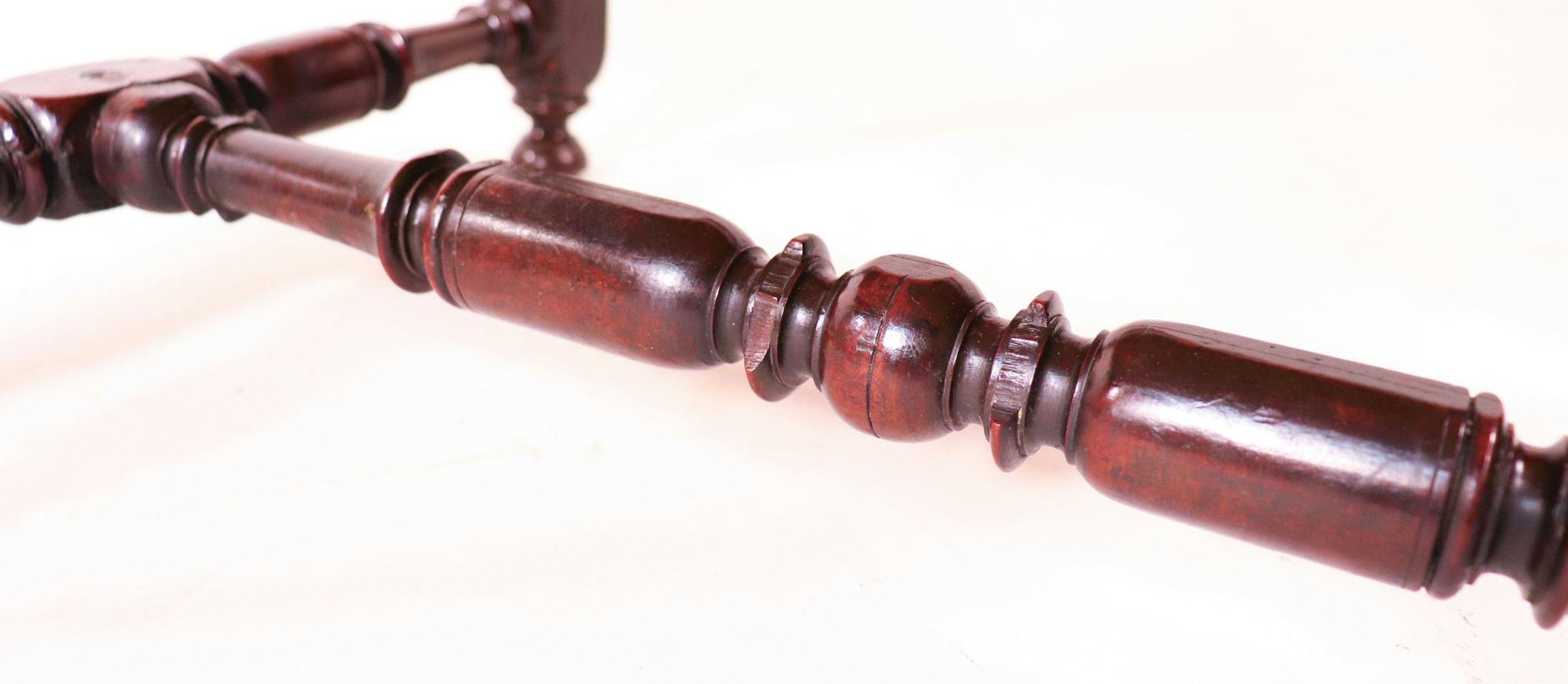
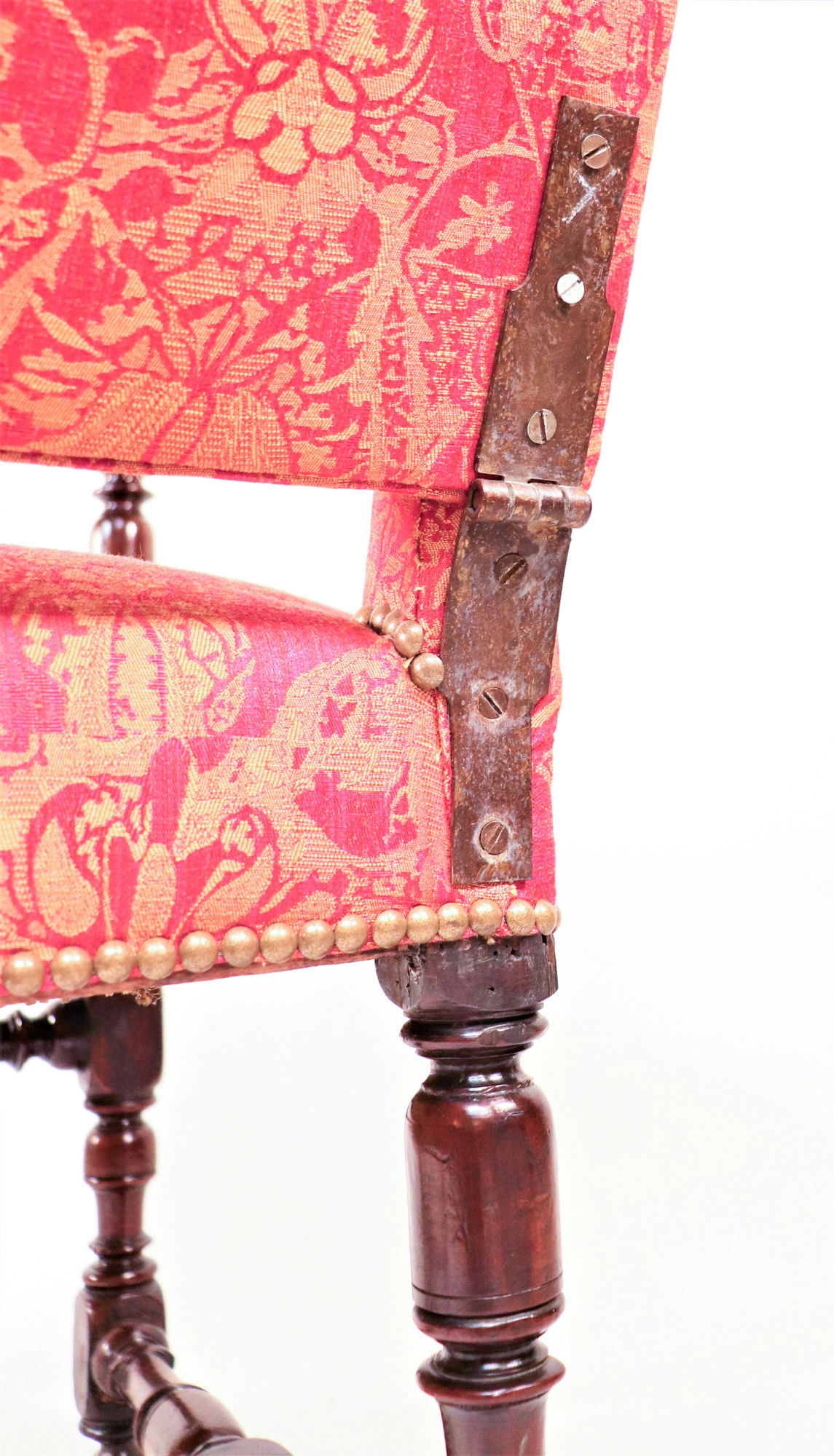
This model, constructed in neighboring England during the same era, may even resemble the French monarch’s reclinable chair. Intended for an English drawing room or parlor, this beautiful piece features elegant jacquard upholstery and turned legs. The backrest can extend almost one-hundred-eight degrees from an upright position, facilitated by a graceful manual mechanism similar to the ratcheting recline features found in modern armchairs. By lifting the supple lengths of walnut flanking either armrest, you can fit the angled teeth around the corresponding knobs to set the chair’s incline.
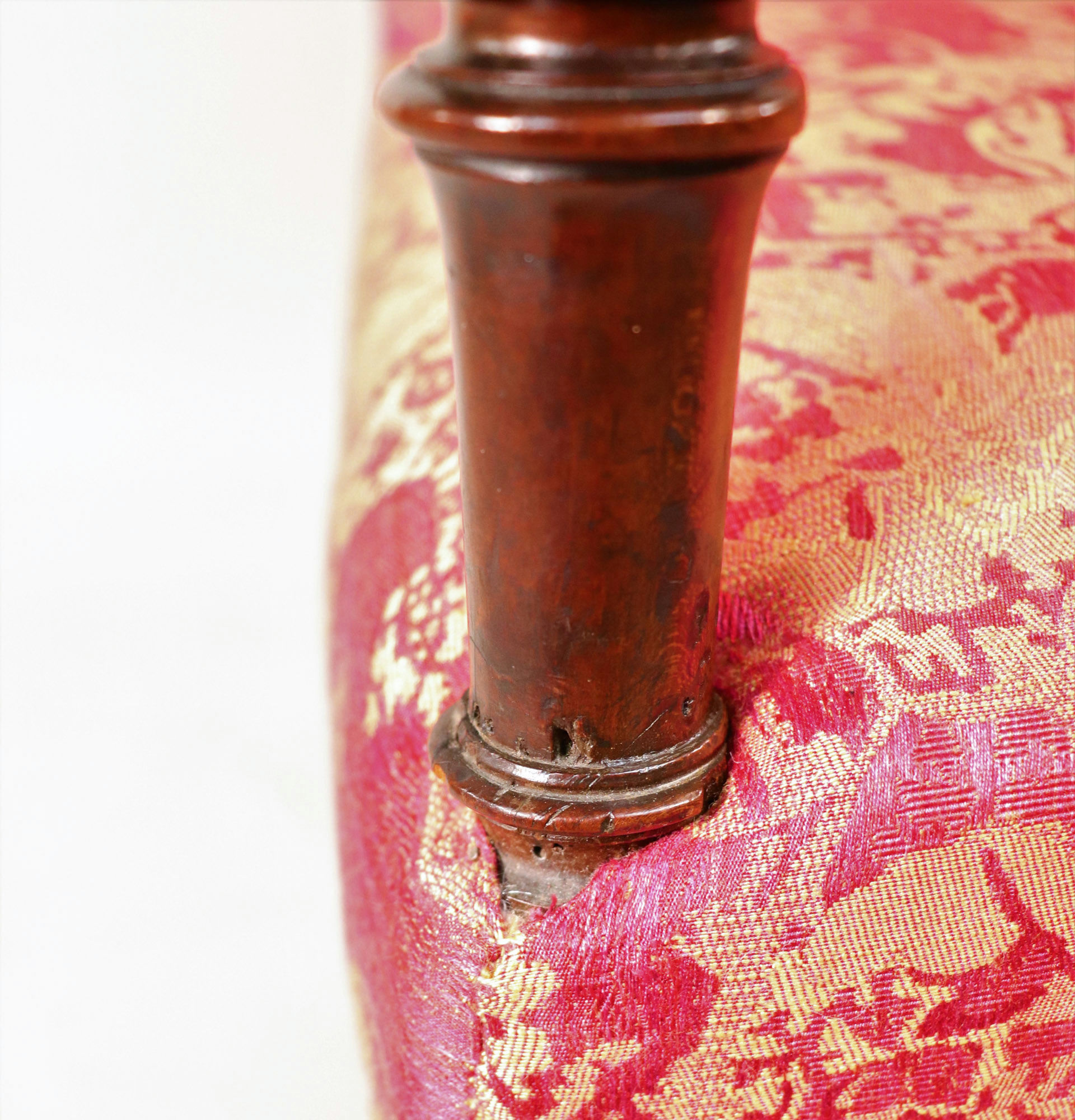
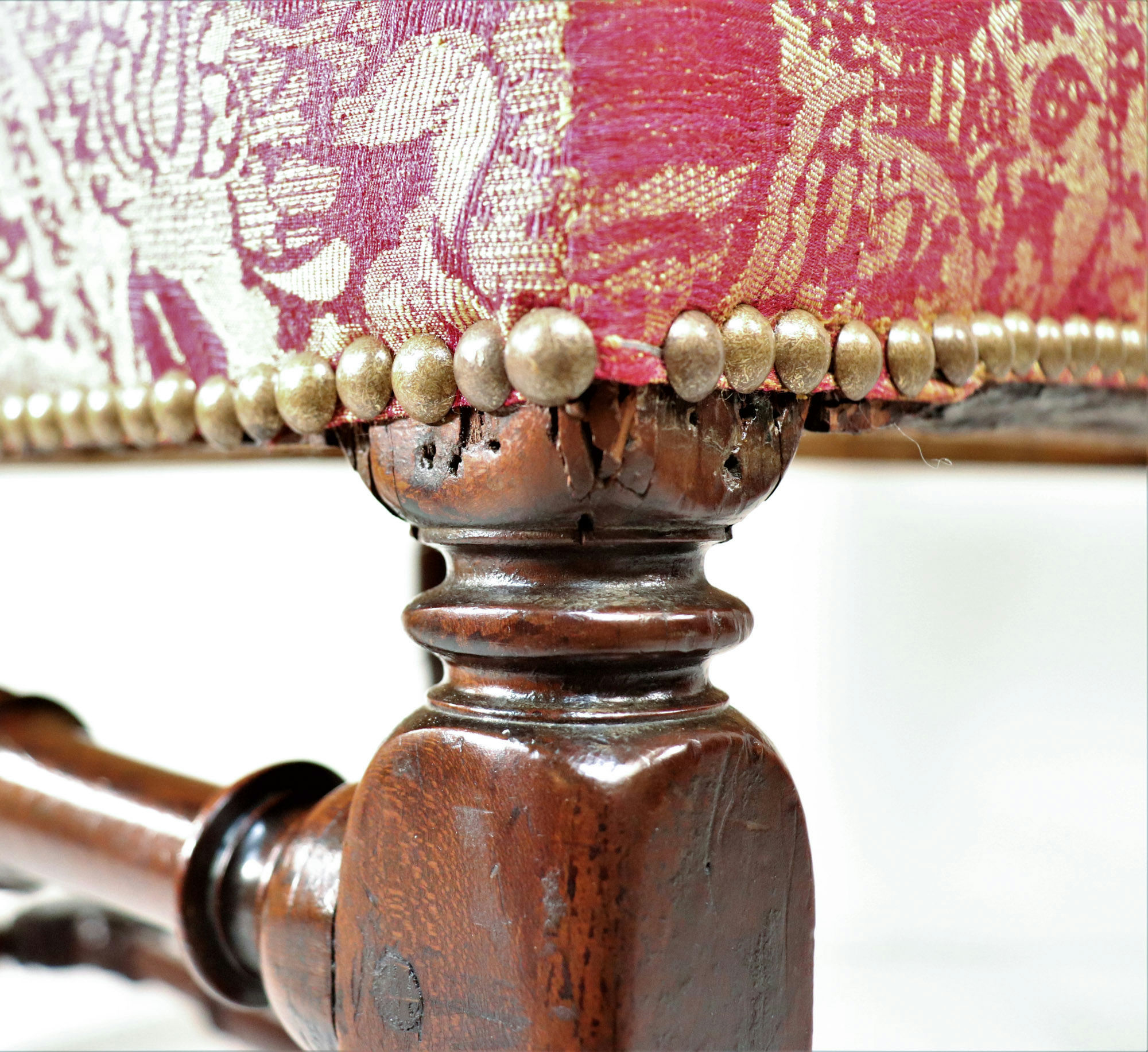
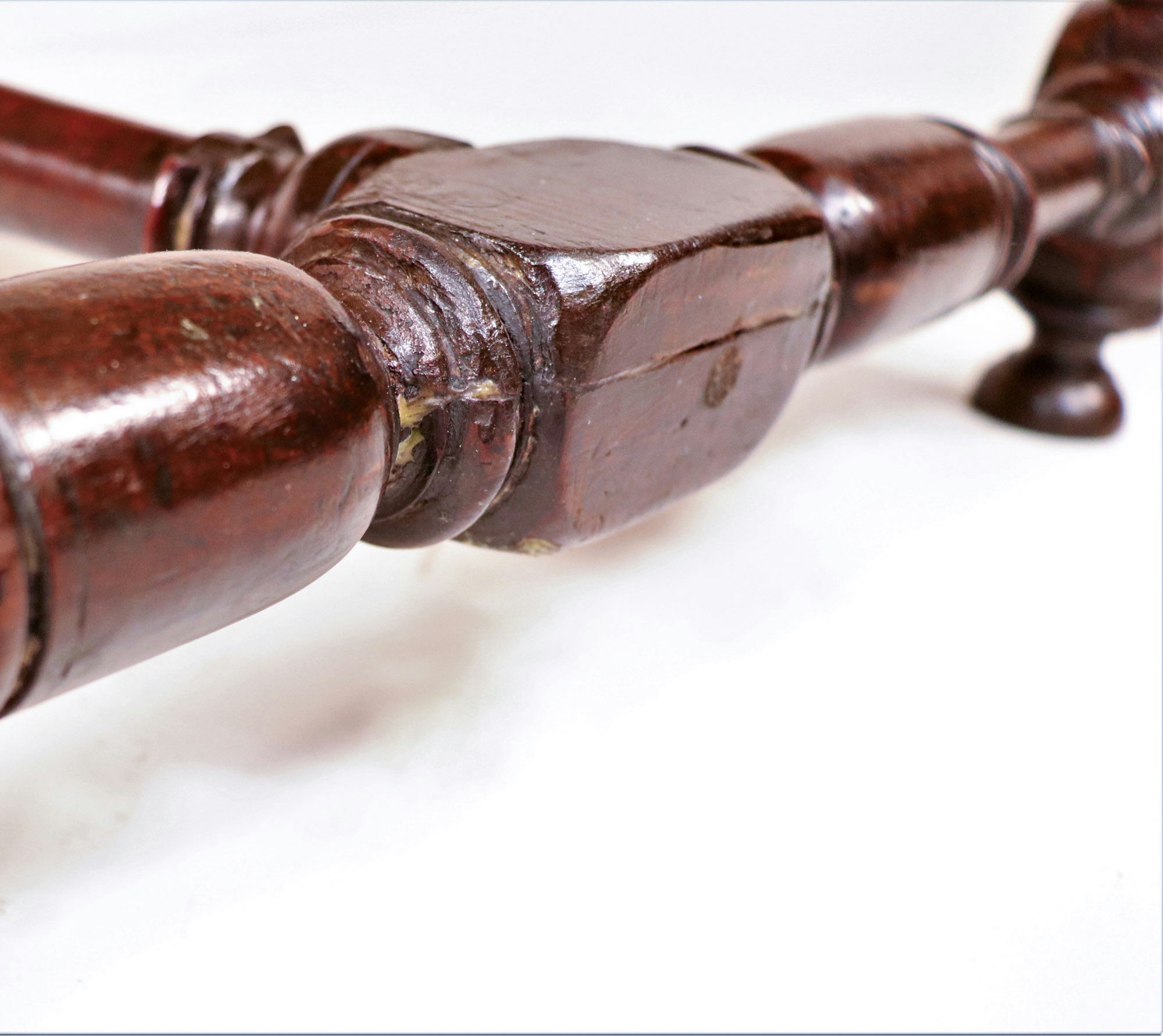
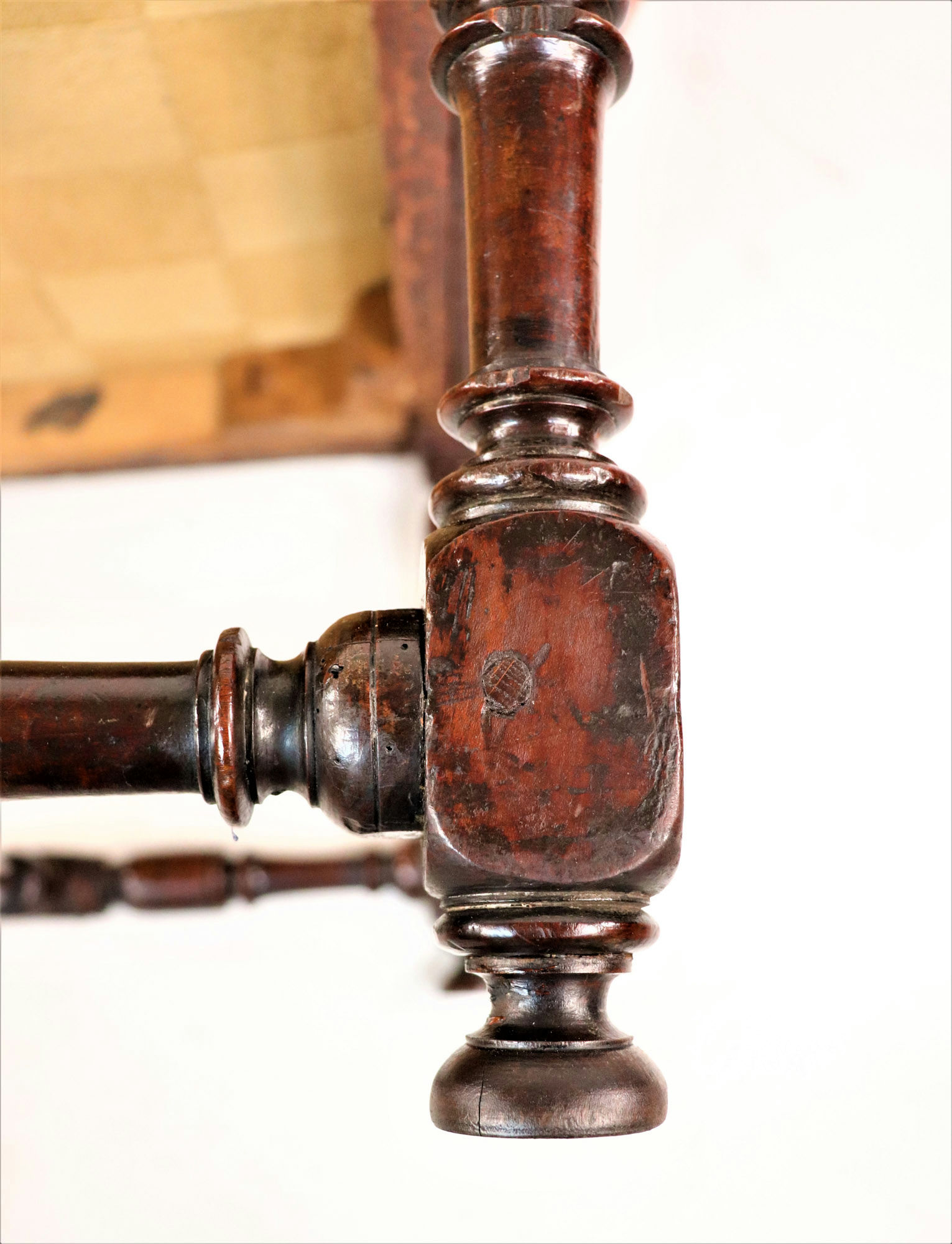
Designed for both function and aesthetic appeal, the mechanism’s curving twin silhouettes communicate a refined elegance. The richly carved walnut legs, executed with sophisticated precision, echo that same cultivated beauty.
With its five levels of reclining, this mid-19th-century English reclinable armchair is an exemplary piece for the discerning collector of Victorian-era furniture, combining historical elegance with innovative design.
H=25 in. W=29 in. D=37 in. 60 lbs.
Recline: H=30 in. W=29 in. D=51 in.
Arm: D=26 in. H=27 in.
Seat: H=18 in. W=21 in. D=21 in.
Back: H=30 in. W=24 in.